Your Skin Breaks Down Faster Than You Think
Summer is the season of vacations, beach trips, iced coffee, and glowing selfies.
But while people prepare their outfits and travel plans,
many forget to prepare the one thing that suffers the most during summer:
Your skin.
Summer sunlight is not just “hot.”
It is aggressive.
Especially during peak summer months, your skin is constantly exposed to:
- intense UV rays
- heat
- humidity
- sweat
- air conditioning dryness
- long outdoor activities
And at the center of all this damage is one thing:
UV exposure.
Most people still think sunscreen is just a product for beach days or outdoor sports.
But the truth is much more serious.
Sunscreen is not simply a beauty product.
It is daily skin protection.

UV Rays Don’t Just Tan Your Skin
They Age It
Many people only worry about getting darker skin in summer.
But tanning is actually the smallest problem.
The real danger happens underneath the skin.
UV rays slowly damage:
- collagen
- skin elasticity
- moisture barriers
- skin tone balance
They accelerate:
- wrinkles
- enlarged pores
- dark spots
- sagging skin
- uneven texture
In other words:
The sunlight you ignore today
can become the wrinkles and pigmentation you fight years later.
And the scary part?
UVA rays can even pass through windows.
That means your skin is still exposed:
- while driving
- sitting near café windows
- commuting
- working indoors
This is why skincare experts say:
“Sunscreen is not seasonal. It’s daily protection.”
Summer Skin Ages Faster Than You Realize
Summer increases skin temperature dramatically.
Once skin temperature rises:
- oil production increases
- makeup melts faster
- pores appear larger
- skin becomes irritated more easily
This is why summer skincare should never focus only on makeup.
Healthy skin always comes first.
Because no makeup looks good on damaged skin.



“Does Sunscreen Really Make That Big of a Difference?”
Absolutely.
In fact, protecting your skin from UV damage often matters more than using expensive skincare products.
You can spend hundreds of dollars on skincare,
but if UV rays continue damaging your skin every day,
your skin barrier never truly recovers.
That’s why consistency matters more than luxury.
The best sunscreen is the one you actually use every single day.
Especially in summer, people want products that:
- feel lightweight
- are not sticky
- work well under makeup
- give natural glow
- feel comfortable in hot weather
This is why lightweight Korean skincare and tone-up sunscreen products continue to grow globally.
Summer Beauty Is No Longer About Heavy Makeup
Today’s beauty trend is different.
People no longer want heavy, thick makeup during summer.
Instead, they want:
- naturally glowing skin
- healthy texture
- lightweight coverage
- effortless radiance
That’s why skincare-focused beauty routines are becoming more important than ever.
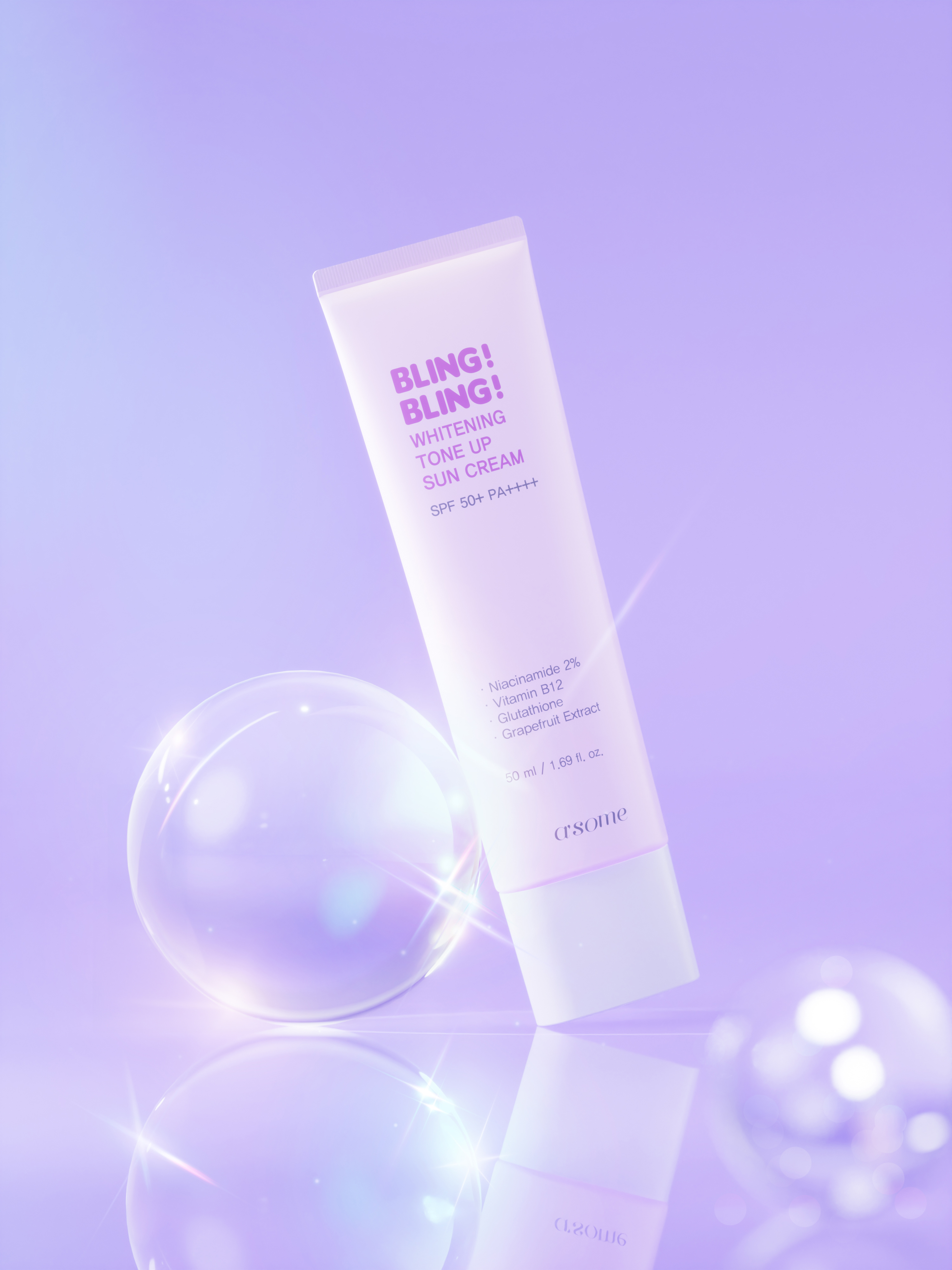
Brands like ASOME are also moving toward this direction.
Rather than hiding the skin,
the goal is to help skin look naturally healthy, hydrated, and radiant even under strong summer sunlight.
Especially ASOME’s glow-focused “Bling Line” fits perfectly with current summer beauty trends:
- natural tone-up
- radiant finish
- lightweight skin expression
- healthy glow makeup
Because summer beauty is no longer about covering imperfections.
It’s about skin that still looks alive and fresh even in extreme heat.



Your Skin Reveals the Truth After Summer Ends
The most dangerous thing about UV damage is this:
It doesn’t always show immediately.
But after summer ends,
your skin tells the story.
Some people finish summer with:
- dull skin
- dark spots
- weakened elasticity
- rough texture
Others finish summer with:
- healthy glow
- balanced skin tone
- smoother makeup
- healthier-looking skin
And often, the difference comes down to one simple habit:
Using sunscreen consistently.
This summer,
don’t think of sunscreen as optional.
Think of it as your skin’s survival essential.
Because protecting your skin today
is what keeps your skin healthy tomorrow.
And real summer beauty always starts with healthy skin first.